Environment Design Habits: Your Practical Guide to Lasting Change

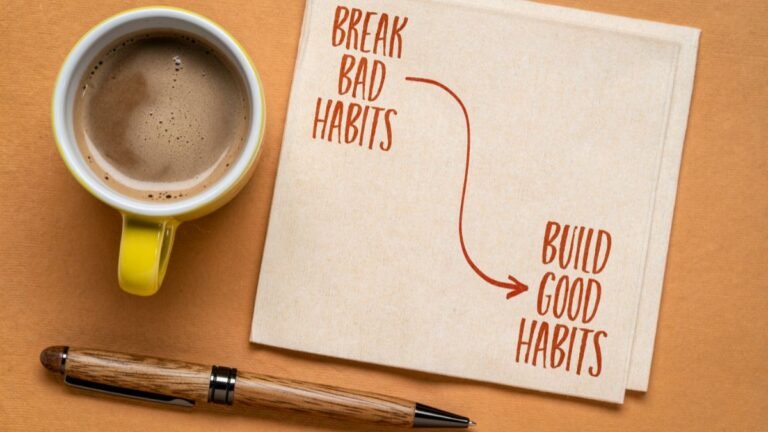
Your willpower is a terrible strategy for building better habits. I don’t mean this as a criticism of your self-control—I mean it as a straightforward assessment of how human psychology actually works. When you pit your willpower against your environment, the environment wins almost every time.
The good news is that you don’t need to strengthen your willpower. You need to master environment design habits—the practice of redesigning your surroundings so that good habits become the path of least resistance whilst bad habits require conscious effort to pursue. Environment design habits are one of the most powerful and underutilised tools in behaviour change.
Subtle changes to physical and social environments impact what gets done. The research backs this up consistently: your surroundings shape your behaviour far more powerfully than your intentions.
What Is Environment Design for Habits?
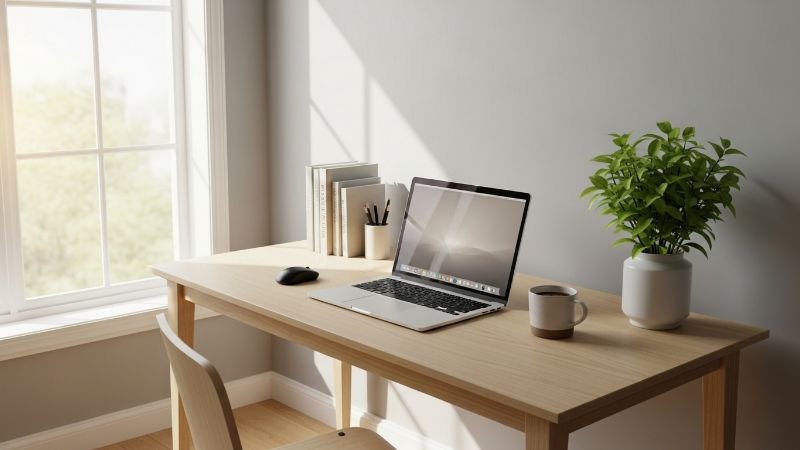
Environment design is the deliberate structuring of your physical, digital, and social surroundings to make habits that you want easier and habits that you don’t want harder. Rather than relying on motivation or discipline to overcome environmental friction, you engineer the friction itself.
This concept draws on the idea of choice architecture—the study of how different ways of presenting choices affects decision-making. Richard Thaler and Cass Sunstein’s work on “nudges” (as outlined in their bestselling book Nudge: Improving Decisions About Health, Wealth and Happiness) demonstrated that small environmental changes can dramatically influence behaviour without restricting freedom of choice. A classic example: placing healthy foods at eye level in a cafeteria increases their consumption without forcing anyone to choose them.
The Core Principle of Environment Design
Environment design is based on the principle that every behaviour occurs in response to environmental cues, and every behaviour has associated friction—the effort required to complete it. Environment design manipulates both of these variables: you make cues for good habits obvious and reduce their friction, whilst you hide cues for bad habits and increase their friction.
This isn’t about creating a perfectly optimised life where every decision is pre-programmed. It’s about acknowledging that you make most decisions on autopilot, and those automatic decisions are shaped by what’s easiest in the moment. By controlling what’s easiest, you control what happens.
Why Environment Beats Willpower
Research consistently shows that environmental factors override individual willpower. Studies in food psychology have demonstrated that people eat more when food is visible and nearby, regardless of hunger or health consciousness. The environment created behaviour more reliably than people’s intentions.
This happens because your brain is constantly performing an unconscious cost-benefit analysis. When good behaviour requires significant effort (high friction) and bad behaviour is immediately available (low friction), your brain defaults to the easier option most of the time. This isn’t weakness—it’s efficiency. Your brain conserves energy by choosing paths of least resistance.
Research consistently concludes that environmental factors explain more behavioural variation than personality differences or motivation levels. The person who exercises consistently usually has gym clothes in their car and a cleared space in their living room. The person who struggles usually has these items buried in cupboards. The difference isn’t discipline; it’s design.
QUICK WIN:
Look around your current space right now. What’s the easiest behaviour to perform from where you’re sitting? That’s probably what you do most often in this space. If it’s checking your phone, scrolling social media, or reaching for snacks—your environment is working against you. The quickest fix: move one thing that triggers a bad habit out of sight, and place one thing that supports a good habit in plain view.
The Science of Environmental Influence
Understanding how environments shape behaviour requires examining three key psychological mechanisms that operate largely outside conscious awareness.
Default Effect Research
The default effect describes our tendency to accept whatever option requires the least decision-making effort. Organ donation rates vary dramatically between countries based purely on whether people must opt in or opt out—the default option captures most people regardless of their actual preferences.
For habits, you can harness this by making your desired behaviour the default. If you want to read before bed, place your book on your pillow in the morning so reading becomes the default when you go to bed. If you want to drink more water, fill your water bottle first thing so drinking water becomes automatic when you’re thirsty.
The power of defaults lies in their invisibility. You’re not making a decision to read or drink water—you’re simply doing what’s already set up to happen.
Friction and Convenience
Even small amounts of friction dramatically reduce behaviour. Research on energy conservation showed that people were far less likely to use air conditioning when the thermostat was in another room. The behaviour didn’t become impossible—it just became slightly less convenient.
This works in both directions. Adding friction to bad habits (putting your phone in another room at night) reduces their occurrence. Removing friction from good habits (laying out workout clothes the night before) increases theirs. The changes seem trivial, but their cumulative effect on behaviour is substantial.
People who struggle to focus typically have distracting websites one click away. Those who maintain focus have installed browser blockers that require multiple steps to bypass. The friction doesn’t prevent distraction entirely, but it interrupts the automatic reaching for distraction that happens dozens of times daily.
Visual Cues and Priming
Your environment constantly broadcasts visual cues that prime (i.e. trigger) specific behaviours. A bowl of fruit on your counter cues healthy eating. A television facing your desk cues entertainment-seeking. Your phone on your bedside table cues checking notifications upon waking.
Research on priming shows that environmental cues act without your conscious awareness. People who see elderly-related words walk more slowly. People who work in neat environments choose healthier snacks. The environment shapes our thought patterns, which shape our behaviour.
This isn’t mystical— your brain is made to associate things that regularly occur together. When you repeatedly perform a behaviour in a specific context, that context becomes a trigger for the behaviour. Environment design leverages this by deliberately setting up your environment so that it automatically triggers your desired habits.
Environment Design Habits: Building Good Behaviours
James Clear’s framework from Atomic Habits provides a useful structure for thinking about environment design habits: make it obvious, easy, attractive, and satisfying. Let’s examine how each applies to physical environments.
1. Make Good Habits Obvious (Visual Cues)
Good habits need visible, consistent reminders. This doesn’t mean plastering your walls with motivational posters—it means placing the tools of your desired behaviour where you’ll encounter them naturally.
If you want to take vitamins daily, place the bottle next to your coffee maker. If you want to practice guitar, display the guitar on a stand rather than storing it in a case. If you want to floss, keep the floss on your bathroom counter, not in a drawer.
The key is reducing the “out of sight, out of mind” effect. Visibility creates dozens of small reminders throughout the day, each serving as a gentle prompt toward the behaviour. You’re not fighting to remember—you’re being reminded automatically.
2. Make Good Habits Easy (Reduce Friction)
Every additional step between intention and action reduces the likelihood of completion. Map the exact sequence required to perform your habit, then systematically eliminate unnecessary steps.
Want to read more? Place a book on your coffee table with a bookmark already inserted. Want to eat healthier? Keep pre-cut vegetables in clear containers at eye level in your fridge. Want to improve your focus through mindfulness or meditatation? Designate a permanent spot for doing this at home, with a cushion already positioned.
Reducing friction to desired behaviour also works well (both for organisations and individuals). Pennsylvania State University reduced friction to accessing their learning online platform by moving from requiring multiple sign-ins (each with a different password) to a single sign-in for everything and saw a 40% increase in active users regularly logging in. The same principle applies personally: each removed obstacle increases the probability your habit happens.
3. Make Good Habits Attractive (Prime the Environment)
Your environment can make habits appealing before you even begin them. This involves creating positive associations and pleasant sensory experiences around your desired behaviours.
If you want to write in the morning, set up your writing space to be genuinely inviting. Good lighting, a comfortable chair, perhaps a candle you only light during writing time. If you want to exercise, curate an energising playlist that you play exclusively during workouts, creating a Pavlovian association between the music and the activity.
Attractiveness isn’t superficial—it’s strategic. Humans are more likely to repeat behaviours associated with positive sensory experiences. By engineering pleasant contexts around your habits, you’re creating anticipation that pulls you toward the behaviour rather than requiring willpower to push yourself into it.
4. Make Good Habits Satisfying (Immediate Rewards)
The environment can provide instant positive feedback that reinforces habit completion. This works best when the reward is intrinsic to the environment rather than requiring external tracking.
A visual habit tracker on your wall provides immediate satisfaction when you mark a day complete (or you can use a simple bullet journal or digital habit tracker to do the same thing). A tidy desk after your morning planning session creates a satisfying sense of order. A completed to-do list that you physically cross items off provides tangible progress feedback.
These environmental rewards create a positive feedback loop: the behaviour produces immediate environmental change, that change feels rewarding, the reward increases the likelihood of repeating the behaviour. Over time, the environment itself becomes rewarding to interact with.
QUICK WIN:
Choose one habit you want to build. Now make the first two minutes of that habit absurdly easy by redesigning your environment. Want to exercise? Put your trainers by your bed so putting them on is the obvious next step when you wake. Want to read? Keep a book on your pillow. The environment should make starting so easy that not doing it feels like more effort than doing it.
Designing Your Environment Against Bad Habits
The same principles work in reverse for behaviours you want to reduce. Rather than fighting bad habits through willpower, you engineer your environment to make them less likely to occur.
1. Make Bad Habits Invisible (Remove Cues)
The most effective way to reduce a bad habit is to eliminate the environmental triggers that initiate it. If you check social media too often, remove the apps from your phone’s home screen. If you snack mindlessly, keep tempting foods out of sight or remove them entirely from your home. If you watch too much television, unplug it and face it toward the wall when not in use.
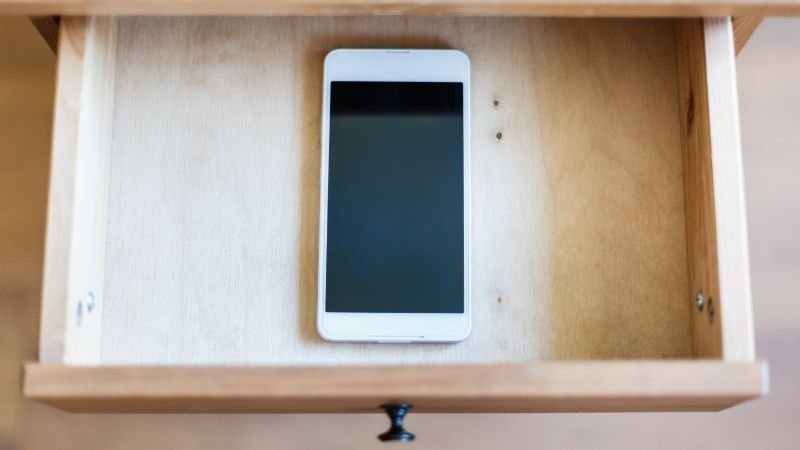
This isn’t about perfect elimination—it’s about removing the automatic visual triggers that prompt behaviour without conscious decision. You can still access social media or buy snacks, but you’ve interrupted the autopilot response that happens when you see the cue.
2. Make Bad Habits Difficult (Increase Friction)
Adding even small amounts of friction dramatically reduces unwanted behaviour. Password-protect distracting websites with a password you have to look up each time. Keep your phone in another room when working. Store biscuits on a high shelf rather than at eye level.
The friction doesn’t prevent the behaviour—it introduces a pause. In that pause, you make an actual decision rather than acting on autopilot. Sometimes you’ll choose to pursue the bad habit anyway, but the frequency drops substantially when you have to make a conscious choice each time.
I’ve worked with professionals struggling with email addiction who kept their email client closed by default rather than open. Opening the programme requires a deliberate action, which creates a moment of decision. Email checking dropped by more than half simply through this friction, with no reduction in actual email responsiveness.
3. Make Bad Habits Unattractive (Bundle with Costs)
You can reduce bad habits by creating negative associations through environmental consequences. This works best when the cost is immediate and built into the environment rather than requiring external enforcement.
If you want to reduce phone use in the evening, create a charging station in another room. The cost of retrieving your phone every time you want to check it makes the behaviour less attractive. If you want to reduce online shopping, require that you write down purchases by hand before buying—the added effort and visibility of your spending makes impulse buying less appealing.
The key is making the cost present in the moment of decision rather than abstract or delayed. Environmental costs work because they’re experienced immediately, whilst the negative consequences of most bad habits are distant and theoretical.
4. Make Bad Habits Unsatisfying (Accountability)
Environmental accountability systems reduce bad habits by removing the privacy that allows them to continue unchecked. This might involve working in shared spaces when you’re prone to distraction, or using website blockers that log your attempts to access blocked sites.
The environmental element is crucial here—the accountability must be built into the space or system rather than relying on reporting to another person. When the environment itself provides accountability, there’s no room for rationalisation or selective reporting.
Room-by-Room Environment Design
Different spaces in your home serve different functions, and each benefits from targeted environment design. Here’s how to optimise the primary areas.
Bedroom
Your bedroom environment dramatically affects sleep quality and morning routines. Remove screens entirely if possible, or at minimum charge devices outside the bedroom. Use blackout curtains or a sleep mask to control light. Set your morning clothes out the night before to reduce decision fatigue upon waking.
For reading habits, keep a book on your bedside table with a reading light that’s easier to turn on than your phone. For morning exercise, place workout clothes where you’ll see them immediately upon waking. The bedroom’s primary function—sleep—improves when the environment contains minimal cues for other activities. See our guide to improving sleep quality for more on this.
Kitchen
Nutrition habits live or die in the kitchen environment. Reorganise your fridge and cupboards to place healthy foods at eye level and in clear containers. Batch prep ingredients on Sunday to reduce friction for weeknight cooking. Keep unhealthy snacks in opaque containers on high shelves, requiring deliberate effort to access.
Set up a fruit bowl in a prominent location—studies show people eat more fruit when it’s visible and accessible. Create designated spaces for meal prep tools rather than hunting for them each time. The easier you make healthy cooking, the more often it happens.
Home Office
Productivity depends heavily on workspace design. If you can, position your desk to face away from high-traffic areas and potential distractions. Use website blockers during focused work periods. Keep your phone in a drawer or another room during deep work sessions.
Create distinct zones if possible: a focused work area with minimal decoration, and a separate reading or planning area with more comfortable seating. This spatial distinction helps your brain shift between different modes of work. When you physically move to the planning area, planning becomes easier.
I recommend keeping your workspace completely clear at the end of each day. Starting fresh each morning reduces the psychological weight of unfinished tasks and makes beginning work easier. See our guide to setting up your home office for more tips.
Bathroom
Morning and evening routines benefit from streamlined bathroom environments. Store only the products you actually use daily within easy reach. Create a specific order for your routine items—face wash, then moisturiser, then sunscreen—so the environment guides the sequence.
Place dental floss in front of your toothbrush rather than in a drawer. Keep medications next to items you use daily (like your toothbrush) to create automatic reminders. The bathroom is ideal for habit stacking because the sequence of activities is already established.
Living Room
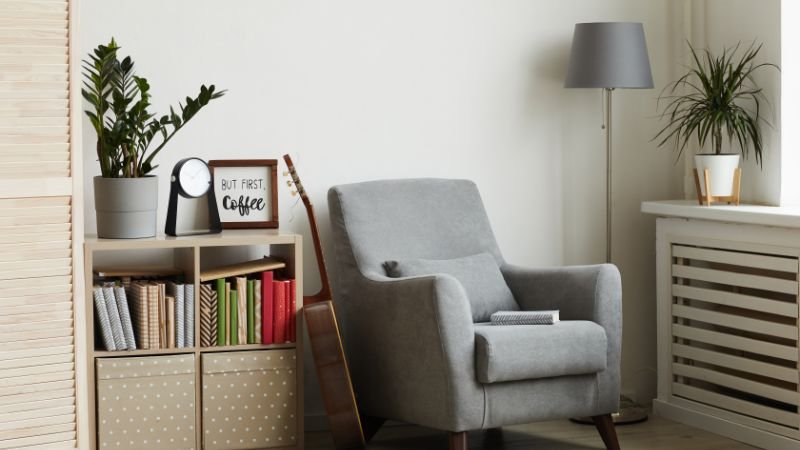
Living spaces benefit from intentional furniture arrangement. If you want to read more, create a reading nook with good lighting and a comfortable chair, separate from your television viewing area. If you want to practice an instrument, keep it on a stand rather than in a case.
Consider removing or repositioning furniture that enables bad habits. If you watch television passively for hours, make the viewing position slightly less comfortable than the reading position. Small environmental nudges accumulate into significant behavioural differences over time.
Digital Environment Design
Your digital environment shapes behaviour as powerfully as your physical space, perhaps more so given how much time you spend interacting with screens. Mastering environment design habits in your digital world is essential for modern life.
Phone and App Organisation
Your phone’s home screen is prime real estate for environmental design. Remove all social media, news, and entertainment apps from the home screen. Place them in folders that require extra taps to access. This added friction transforms automatic checking into conscious choice.
Fill your home screen instead with apps that support your goals: reading apps, meditation apps, habit trackers, educational content. When you unlock your phone out of habit, you’re presented with productive options rather than distracting ones.
Enable greyscale mode during certain hours to make your phone less visually appealing. The lack of colour reduces the dopamine hit from checking your device, making it easier to put down. This environmental tweak requires no willpower—the environment itself becomes less attractive.
Computer Desktop Setup
Treat your computer desktop like a physical desk. Keep it completely clear except for active projects. Use separate browser profiles for work and personal activities, with different bookmarks and extensions for each. This creates distinct digital environments that support different behaviours.
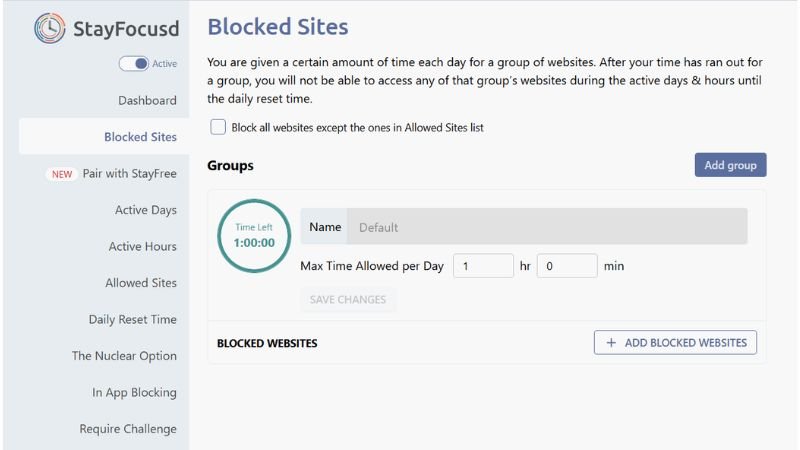
Install website blockers that activate during your designated focused work times. Tools like Freedom, Cold Turkey, or StayFocusd make distracting sites literally inaccessible during blocked periods. The environmental enforcement is absolute—you can’t willpower your way around it without deliberate effort to circumvent the system.
Browser Extensions and Blockers
Browser extensions provide powerful environmental controls. Install an extension like Endless Scroll Blocker that removes infinite scroll from social media feeds, one like Unhook that hides YouTube recommendations or something like StayFocusd that limits time on specific websites to predetermined amounts.
The key is setting these up during motivated moments so they operate automatically during unmotivated moments. You decide once, during a clear-headed moment, what your environment should enforce. The environment then maintains that decision regardless of your future motivation level.
Notification Management
Notifications interrupt focus and create artificial urgency. Disable all non-essential notifications. For most people, this means everything except direct messages from specific contacts and calendar reminders. Email notifications, news alerts, social media updates—all create environmental interruptions that fragment attention.
Set specific times for checking different communication channels rather than responding to environmental prompts. Your environment shouldn’t decide when you attend to email; you should decide, then configure your environment to support that decision.
QUICK WIN:
Open your phone’s notification settings. For each app, ask: “Do I need to know about this immediately?” If the answer isn’t a clear yes, disable notifications. Most people discover they can disable 80% of notifications without missing anything important. Your attention is too valuable to hand over to every app developer who wants a piece of it.
Social Environment Design
Your social environment—the people you regularly interact with—shapes behaviour through social norms and expectations. This is harder to design than physical environments but potentially more powerful.
Choosing Your Influences
You gradually adopt the habits, attitudes, and behaviours of the people you spend time with. This isn’t weakness—it’s how social learning works. The question becomes: are you deliberately choosing these influences?
Join communities where your desired behaviour is normal. If you want to exercise regularly, join a running club where everyone runs regularly. If you want to write, join a writing group where everyone writes. The social environment normalises the behaviour, making it feel natural rather than requiring constant self-motivation.
This doesn’t mean abandoning existing friends, but it does mean being intentional about adding people to your environment who embody the habits you want to develop. Their presence makes your desired behaviour feel normal rather than aspirational.
Accountability Partners
Structured accountability partnerships create environmental enforcement through social expectation. When you commit to sharing your progress with someone regularly, you’re less likely to skip the behaviour because you’ll have to report the skip.
The environmental element is the scheduled check-in, which creates a deadline and a witness. This works best when you choose the timing and structure during a motivated moment, creating social environmental enforcement that persists when motivation wanes.
Social Commitment Devices
Public commitments create social environmental pressure. When you tell colleagues you’re training for a marathon, asking about your training becomes part of your social environment. These questions serve as reminders and create social accountability without formal partnership arrangements.
The key is making commitments specific and observable rather than vague intentions. “I’m reading 50 books this year” creates more environmental accountability than “I want to read more” because people can ask about your progress in concrete terms.
Environment Design Mistakes to Avoid
Environment design can backfire when applied poorly. Understanding common mistakes helps you avoid them.
Over-Optimising
The temptation exists to optimise every aspect of your environment immediately. This typically results in overwhelming complexity and abandonment of the entire system. Start with one or two high-impact changes rather than attempting comprehensive environmental redesign.
This happens a lot: people get excited about a new concept, spend a weekend implementing dozens of changes, feel overwhelmed by the new systems, gradually abandon them, and return to their previous environment. Incremental change that becomes habitual before adding more changes works far better.
Ignoring Portability
Highly optimised home environments can make travel or office days difficult. If your entire productivity system requires specific environmental features that exist only at home, you’ll struggle to maintain habits elsewhere.
Build some portability into your environmental design. Use digital habit trackers that travel with you. Develop habits that can be performed with minimal equipment. Create environmental cues that can be recreated in different locations (like specific music or a particular scent).
Forgetting About Other People
If you share your space with others, your environmental design affects them too. Removing all snacks from the house might support your goals but frustrate your partner. Blocking the television might work for you but not for your flatmate.
Collaborative environment design works better than unilateral changes. Discuss your goals with the people who share your space and find solutions that work for everyone. Often this means creating personal zones you can control completely whilst leaving shared spaces more flexible.
Getting Started with Environment Design Habits
The path to effective environment design begins with observation rather than optimisation. Spend a week noticing which environmental factors trigger your behaviours, both desired and undesired. Where do bad habits typically start? What’s present in the environment when they occur? What’s absent when good habits fail to happen?
Once you’ve identified the key environmental factors, select one high-leverage change to implement. This should be something that affects a behaviour you perform daily and that you can implement immediately without complex preparation.
Make the change, then observe its effects for at least two weeks before assessing success. Environmental changes take time to reshape behaviour because you need to encounter the new environment enough times for it to become normal.
After the first change has become invisible—when you no longer notice it because it’s simply how your environment is—consider adding a second change. Build your environment gradually, one habit-supporting feature at a time.
QUICK WIN:
Pick the one habit you most want to build this month. Now identify the single environmental change that would make that habit 50% easier. Make that change today (right now if you can). If you want to drink more water, fill a water bottle and place it on your desk right now. If you want to read before bed, put a book on your pillow before you leave your bedroom this morning.
The Long-Term View
Environment design represents a fundamental shift from short-term motivation to long-term systems. Rather than asking “how can I motivate myself to do this?”, you ask “how can I make this the obvious thing to do in this situation?”
After two decades working with behaviour change, I’ve observed that lasting transformation comes from people who design environments that support their goals rather than relying on willpower to overcome environments that oppose them. The professional who maintains fitness doesn’t have superior discipline—they have gym clothes in their car and a workout partner waiting for them. The person who reads consistently doesn’t love books more—they have books on every surface and their phone charging in another room.
Your environment is constantly shaping your behaviour whether you design it intentionally or not. The only question is whether you’re allowing your environment to form by default, or whether you’re taking control of the cues that trigger your habits and the friction that determines which behaviours occur.
Start small. Change one environmental feature this week. Notice the difference it makes. Then change another. Over time, these modifications compound into an environment that makes your desired life the path of least resistance.
You don’t need more willpower. You need a better-designed environment.
RESOURCES:
Recommended Reading:
Atomic Habits by James Clear – The definitive guide to environment design habits Paperback | Kindle | Audible
The Power of Habit by Charles Duhigg – Understanding environmental cues Paperback | Kindle | Audible
Nudge by Richard Thaler & Cass Sunstein – The science of choice architecture Paperback | Kindle | Audible
Indistractable by Nir Eyal – Designing environments that support focus Paperback | Kindle | Audible
Helpful Tools:
Freedom – Cross-platform website and app blocker
Streaks – Simple iOS habit tracking app
James Clear’s 3-2-1 Newsletter – Weekly habit insights (free)
Resources may contain affiliate links. If you purchase through these links, I may earn a small commission at no extra cost to you.
Related Articles:
The Habit Loop Explained – Understanding cue-routine-reward structure
Habit Stacking – Link new habits to existing environmental cues
Keystone Habits – High-leverage habits that transform your environment
The Two-Minute Rule – Make new habits ridiculously easy to start
I'm Simon Shaw, a Chartered Occupational Psychologist with over 20 years of experience in workplace psychology, learning and development, coaching, and teaching. I write about applying psychological research to everyday challenges - from habits and productivity to memory and mental performance. The articles on this blog draw from established research in psychology and behavioural science, taking a marginal gains approach to help you make small, evidence-based changes that compound over time, allowing you to make meaningful progress in the areas you care about most.