How to Break Bad Habits: A Psychologist’s Guide

You’ve tried to break bad habits dozens of times — stopping compulsive phone checking, quitting late-night snacking, overcoming procrastination. Each attempt starts with determination and ends with the same frustrating pattern reasserting itself within days or weeks. The problem isn’t your lack of willpower. It’s your approach.
Breaking bad habits requires understanding why these behaviours persist despite your conscious desire to change them. As a Chartered Occupational Psychologist who has worked with habit change for over 20 years, I can tell you that unsuccessful attempts typically fail for the same predictable reasons: they rely on willpower rather than strategy, they attempt to delete behaviours rather than replace them, and they ignore the genuine needs that problematic habits fulfil.
In this guide, I’ll explain the psychology and neuroscience behind why bad habits are so persistent, show you the evidence-based strategies that actually work, and provide a practical framework you can apply to any unwanted behaviour pattern in your life.
Why Bad Habits Are So Difficult to Break
Before attempting to break bad habits, understanding why they persist despite your best intentions is essential. This isn’t a character flaw — it’s neuroscience and psychology working exactly as they’re designed to.
The Neuroscience of Habit Persistence
When you repeat a behaviour consistently, your brain creates neural pathways that make it increasingly automatic. These pathways involve the basal ganglia — a primitive brain structure responsible for pattern recognition and automatic behaviours. Once a habit is encoded in the basal ganglia, it remains there permanently.
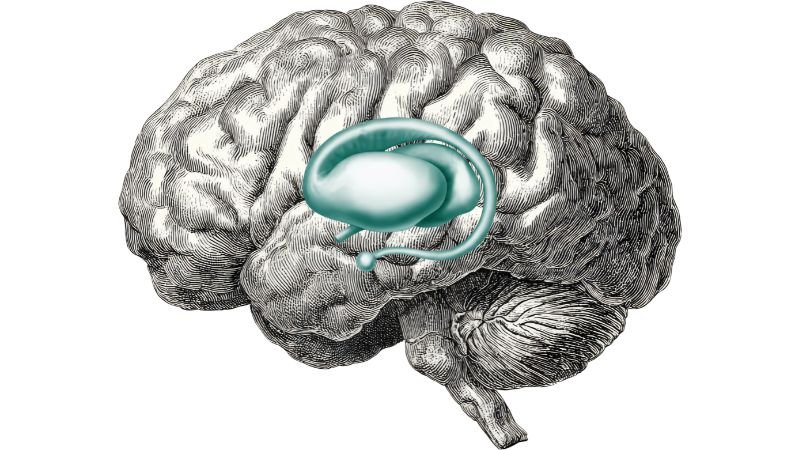
This permanence explains why habits you haven’t performed in years can suddenly reappear when you encounter the right trigger. Someone who quit smoking a decade ago might still crave a cigarette when stressed. The neural pathway hasn’t disappeared — it’s simply dormant, waiting for the familiar cue. You can’t delete a bad habit from your brain. You can only override it with alternative patterns or ensure you avoid the cues that trigger it.
Bad Habits Serve Real Psychological Needs
Every bad habit, no matter how problematic it appears on the surface, serves a genuine function. This is perhaps the most important insight: the behaviour persists because it delivers something your brain values, even if the long-term consequences are negative.
Scrolling social media provides distraction from boredom or anxiety. Emotional eating offers comfort and stress relief. Procrastination protects you from the discomfort of difficult tasks or potential failure. If you try to simply stop the behaviour without addressing the underlying need, you create a void. Your brain will either pull you back to the original habit or drive you toward a different behaviour that serves the same function. This is why people who quit smoking often gain weight — the eating behaviour replaces the stress management function of cigarettes.
Willpower Is a Limited Resource
Most people try to break bad habits by resisting the urge through sheer willpower. However, relying on willpower to maintain habits fails reliably because willpower operates like a muscle that fatigues with use. Research on ego depletion has shown that acts of self-control consume mental resources, making subsequent acts of self-control progressively more difficult throughout the day.
Moreover, habits by definition operate automatically, requiring minimal conscious thought. When you pit your conscious willpower against an automatic behaviour pattern, you’re fighting an exhausting battle where the automatic process has a significant advantage. The habit doesn’t get tired — your willpower does. Successful habit change therefore doesn’t rely primarily on willpower. It restructures your environment, replaces problematic behaviours with beneficial alternatives, and addresses the underlying needs driving the unwanted pattern.
QUICK WIN:
Pick one bad habit you want to break. Write down what triggers it (time of day, emotion, situation) and what you get from it (relief, distraction, comfort). This two-minute exercise is more valuable than any amount of willpower — because you can’t replace a habit until you understand what need it’s actually meeting.
The Golden Rule: Replace, Don’t Delete
Understanding the single most important principle for breaking bad habits will transform your approach. This principle — supported by decades of research in behavioural psychology and neuroscience — is simple: you cannot delete a bad habit. You must replace it.
Why Stopping Alone Never Works
The fundamental mistake when trying to break bad habits is attempting to simply stop the behaviour. “I’m going to quit snacking.” “I’m going to stop procrastinating.” These statements describe what you won’t do, but they don’t provide your brain with an alternative behaviour.
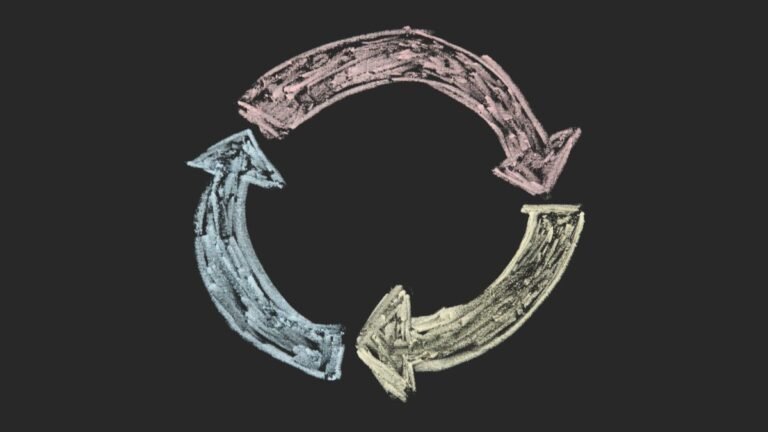
Habits follow a cue-routine-reward loop. The cue triggers the routine, and the routine delivers a reward your brain craves. When you encounter the cue, your brain anticipates the reward and drives you toward the familiar routine. Simply deciding not to perform the routine creates an unfulfilled craving without offering your brain an alternative path to the reward it expects.
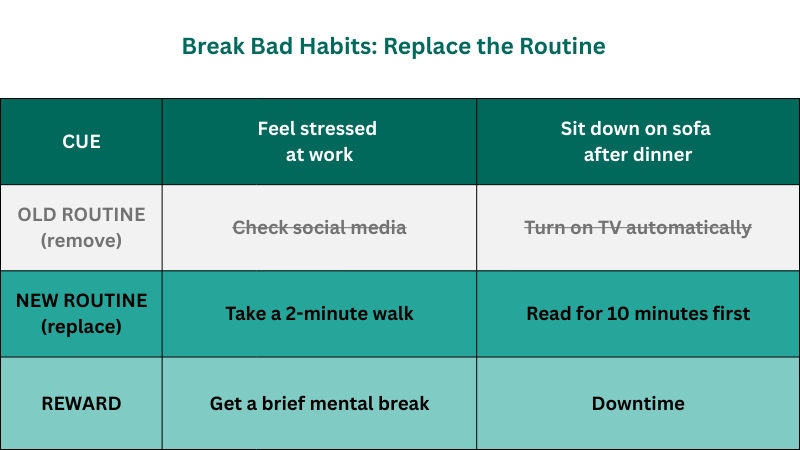
The golden rule states: keep the same cue, keep the same reward, but insert a different routine. You’re not eliminating the pattern — you’re redirecting it toward a more beneficial behaviour that serves the same underlying function. A person who snacks when bored needs an alternative that relieves boredom. Someone who procrastinates to avoid discomfort needs a different strategy for managing that anxiety. The cue and the reward remain; only the middle component changes.
Identifying the True Reward
Before you can break bad habits effectively, you must understand what reward they actually deliver. The reward is often not what you initially assume. Someone might think they snack for hunger, but the real reward is procrastination on work they’re avoiding. A person might believe they scroll social media for entertainment, but the true reward is avoiding difficult emotions.
To identify the real reward, conduct experiments. The next time you feel the urge, try a different activity instead. Wait 15 minutes and assess: has the craving passed? If so, the reward wasn’t what you thought. Each experiment reveals more about what your brain is actually seeking. When you find an alternative that genuinely satisfies the craving, you’ve identified the true reward and discovered a potential replacement routine.
Six Evidence-Based Strategies to Break Bad Habits
Armed with an understanding of why habits persist and the golden rule of replacing rather than deleting them, you can apply specific strategies proven to work in both research and clinical practice.
Strategy 1: Make the Cue Invisible
If you can eliminate or avoid the cue that triggers your bad habit, you prevent the entire habit loop from starting. Research on environment design shows that out of sight truly is out of mind for many behaviours. One study found that people who kept their phones in another room used them 30% less than those who kept phones in the same room but promised themselves they wouldn’t use them.
Practical applications: remove junk food from your home entirely rather than trying to resist it in the cupboard, delete social media apps from your phone rather than attempting to limit usage through willpower, keep your television remote in a drawer rather than on the coffee table. For environmentally-cued habits, making the cue invisible is often the simplest and most effective intervention.
Strategy 2: Increase Friction Around the Routine
If you can’t eliminate the cue entirely, increasing the effort involved in performing the unwanted routine can significantly reduce the behaviour. This leverages the principle of least effort — your brain naturally gravitates toward the easiest available option. Research has shown that adding just 20 seconds of inconvenience can reduce unwanted behaviours by 40% or more.
Examples: log out of social media accounts after each use so you must consciously decide to log back in, put junk food in hard-to-reach locations, keep your television unplugged so watching requires a deliberate setup process. The friction doesn’t need to be insurmountable — it just needs to interrupt the automatic execution long enough for your conscious mind to intervene.
Strategy 3: Replace the Routine
This strategy applies the golden rule directly: identify the cue and reward, then experiment with alternative routines that deliver the same reward through healthier means. Begin by mapping your habit loop. When does the unwanted behaviour occur? What happens immediately before? What do you feel emotionally? What changes after you complete the routine?
With this knowledge, design replacement routines and test them. If you snack when stressed, experiment with five-minute walks, breathing exercises, or calling a friend. If you check social media when bored, try reading, listening to a podcast, or reaching out to someone directly. The replacement must deliver the actual reward, not the reward you wish you were seeking. If your evening wine provides relaxation and permission to stop being productive, replacing it with an intense workout won’t work — that’s more productivity, not permission to rest.
QUICK WIN:
Choose one bad habit you want to break and identify one environmental change you can make right now — today — that puts more distance between you and the trigger. Delete one app. Move one food item to a harder-to-reach cupboard. Put your phone charger in a different room. One environmental change made today outperforms a month of good intentions.
Strategy 4: Use Implementation Intentions
Implementation intentions are specific if-then plans that pre-decide how you’ll respond when you encounter a trigger for your bad habit. Research by psychologist Peter Gollwitzer has demonstrated that forming implementation intentions significantly increases follow-through, with studies showing 30-40% better rates compared to general goals.
The format is simple: “If [situation], then I will [response].” Examples: “If I feel the urge to check social media during work, then I will take three deep breaths and work for ten more minutes.” “If I want to snack after dinner, then I will brush my teeth immediately.” This pre-commitment removes the need for in-the-moment decision-making, which is precisely when willpower fails. Understanding why habits fail helps you design better if-then plans for the specific situations where yours typically breaks down.
Once you’ve identified what you want to do instead of the bad habit, you can also use WOOP goal setting to anticipate the moments when you’ll be tempted to slip back into the old pattern and plan your response in advance.
Strategy 5: Change Your Environment
Your environment shapes your behaviour more powerfully than most people recognise. Research has repeatedly shown that changing context is more effective than trying to change behaviour in the same context where the habit formed. If you always eat junk food whilst watching television in your living room, fighting that behaviour in the same setting works against powerful environmental cues.
This principle extends to all bad habits. Create phone-free zones in your home. Avoid the locations where you typically engage in the behaviour you’re trying to break. If procrastination happens at your desk, create a designated workspace for focused work and a different location for leisure. Studies on addiction recovery demonstrate this environmental effect powerfully — people who relocated to new cities after treatment had dramatically lower relapse rates than those who returned to their original environment.
Strategy 6: Address the Underlying Need Directly
Sometimes the most effective approach is addressing the root need the bad habit attempts to satisfy. If you eat emotionally because you’re genuinely stressed, developing better stress management strategies removes the need for comfort eating. If you procrastinate because you’re anxious about failure, working on your relationship with perfectionism eliminates the drive to avoid challenging tasks.
This deeper work takes longer than simply swapping routines, but it creates lasting change that prevents the problem from manifesting in different forms. Common underlying needs that drive problematic habits include: stress relief, social connection, avoidance of difficult emotions, fear of failure, and boredom from lack of meaningful engagement. Working with a psychologist or coach can help you identify and address these deeper drivers through evidence-based approaches like cognitive behavioural therapy or motivational interviewing.
Your Personal Plan to Break Bad Habits
Understanding strategies is valuable, but application requires a systematic plan tailored to your specific habit. Follow this framework to develop an effective approach for any unwanted behaviour.
Step 1: Identify the Complete Habit Loop
Spend at least a week observing your unwanted habit without trying to change it. Each time you engage in the behaviour, record the triggers: what time it occurred, where you were, what you were doing immediately before, who you were with and what emotions you were feeling. You might find our habit tracking sheet helpful. Look for patterns — does the habit always occur at specific times, in particular locations, when experiencing particular emotions? These patterns reveal your cues and ultimately show you how to break bad habits at their root rather than their surface. habit
Step 2: Select Your Primary Strategy
Based on your cues and rewards, select the most appropriate strategies. If your habit is triggered by a specific environmental cue you can control, making the cue invisible might be most effective. If the cue is unavoidable, increasing friction becomes more important. If the habit serves a genuine psychological need, replacing the routine or addressing the underlying need directly will be essential. Start with one or two approaches that seem most relevant rather than implementing everything simultaneously.
Step 3: Design and Test Replacement Behaviours
Brainstorm at least five alternative routines that might deliver the same reward. Don’t censor yourself — write down every possibility. Select two or three to experiment with and commit to trying each multiple times before concluding whether it works. Pair this with habit stacking to make replacement behaviours easier to remember and execute — anchor your new routine to an existing automatic behaviour so it happens consistently.
Step 4: Write Implementation Intentions
Write specific if-then statements for the most common scenarios where your bad habit occurs. Keep these visible — write them on cards, set them as phone reminders, or place them where you typically encounter the cue. The more often you review these plans, the more automatically you’ll execute them when the moment arrives.
Step 5: Modify Your Environment
Based on your cue analysis, identify environmental changes that would make the unwanted behaviour more difficult or less likely. Look for one-time interventions rather than changes requiring ongoing willpower. Deleting an app requires one decision. Resisting that app every day requires hundreds. The two-minute rule is useful here — if a change takes less than two minutes to implement, do it immediately rather than adding it to a list.
Step 6: Monitor and Adjust
Track your progress daily for at least 30 days. Note when you successfully avoided the bad habit, when you performed it, what triggered any lapses, and which replacement behaviours felt most satisfying. Use this data to refine your approach. Breaking a bad habit is rarely linear — expect setbacks, learn from them, and adjust your strategy. Each unsuccessful attempt provides information about what doesn’t work, bringing you closer to discovering what does.

Dealing with Setbacks When You’re Trying to Break Bad Habits
Even with a solid plan and genuine commitment, setbacks are normal. How you respond to these lapses determines whether they become temporary detours or permanent derailments.
The Abstinence Violation Effect
One of the most dangerous patterns in habit change is the ‘abstinence violation’ effect — after performing the unwanted habit once, people often think “I’ve already failed, so I might as well continue,” leading to complete abandonment of their change efforts. Research shows that how you interpret setbacks predicts your long-term success more than whether setbacks occur at all.
The antidote is self-compassion combined with curious investigation. When you perform the unwanted behaviour, avoid harsh self-criticism. Instead, examine what triggered the lapse objectively. What was different about that situation? What need were you trying to meet? What can you learn to prevent the same trigger from causing problems in the future? This approach keeps you in learning mode rather than defeat mode.
Creating a Relapse Prevention Plan
Anticipate high-risk situations in advance: high stress, specific locations, interaction with particular people, or strong emotions like anger, loneliness, or anxiety. For each high-risk situation you can identify, create specific coping strategies. “When I’m stressed about work, I will take a ten-minute walk rather than reaching for junk food.” “When I’m at social events where everyone is drinking, I will hold a non-alcoholic drink and focus on conversations.”
Build accountability structures that help you recover from lapses quickly. This might include a friend you text when you’re struggling, or a daily check-in system where you honestly assess your progress. External accountability prevents small lapses from becoming extended relapses. Pair this with keystone habits — certain anchor behaviours that have knock-on effects across multiple areas and can help you recover momentum quickly after a setback.
QUICK WIN:
Write down your three highest-risk situations for your bad habit — the times, places or emotional states when it’s most likely to occur. Now write one specific if-then response for each: “If [situation], I will [alternative behaviour].” Keep this list somewhere visible. Pre-deciding your response removes the need for willpower in the moment when it matters most.
When to Seek Professional Help
Some habits are difficult to break independently, particularly those involving addiction, or that are deeply intertwined with mental health conditions. Consider seeking help from a psychologist, therapist, or behavioural specialist if: your habit involves substance abuse or addiction, you’ve made numerous unsuccessful attempts to change the behaviour independently, the habit is causing significant harm to your health or relationships, or breaking the habit consistently triggers intense anxiety or depression.
Professional support provides several advantages. Trained practitioners can identify underlying issues you might not recognise, apply evidence-based therapeutic techniques specifically designed for habit and addiction treatment, and provide accountability during difficult periods. There’s no shame in seeking help for difficult habits. The brain mechanisms that make behaviours hard to break are neurological realities, not character flaws.
The Long-Term Perspective
Successfully breaking bad habits isn’t typically a quick process. Research shows significant variability — as explored in our guide to how long habit formation actually takes. Simple behaviours in supportive environments might change within a few weeks, whilst complex patterns serving deep psychological needs might require months of consistent effort. This variability doesn’t indicate failure — it reflects the reality that different habits have different depths of entrenchment.
Even after you’ve successfully avoided a bad habit for months, the neural pathways remain dormant rather than deleted. This means some vulnerability to the old pattern persists indefinitely, particularly during stress or major life changes. Long-term success requires ongoing awareness and maintenance of the alternative patterns you’ve built.
The encouraging news is that maintenance becomes progressively easier over time. The longer you successfully perform alternative behaviours, the stronger those neural pathways become. Eventually, the replacement patterns become as automatic as the original habit, requiring minimal conscious effort to maintain. Start with a single strategy, apply it consistently, and build from there. Breaking bad habits is absolutely achievable — with the right approach, working with your brain rather than against it.
RESOURCES:
I only recommend resources that I either use personally or have researched and feel are genuinely helpful for my readers. Resources sometimes contain affiliate links; if you purchase through these, I may earn a small commission at no extra cost to you.
Recommended Reading:
Atomic Habits: An Easy and Proven Way to Build Good Habits and Break Bad Ones by James Clear — The definitive modern guide to habit change, including the golden rule of behaviour change that underpins this article. Paperback | Kindle | Audible
The Power of Habit: Why We Do What We Do, and How to Change by Charles Duhigg — The book that popularised the cue-routine-reward habit loop model referenced throughout this article. Paperback | Kindle | Audible
Good Habits, Bad Habits: The Science of Making Positive Changes That Stick by Wendy Wood — Groundbreaking research on how context and environment drive habitual behaviour, and how to use this to break bad habits permanently. Paperback | Kindle | Audible
Related Articles from Marginal Gains:
The Habit Loop Explained — Understanding the cue-routine-reward structure is essential before you can break bad habits effectively.
Why Habits Fail — The most common reasons change attempts don’t stick, and how to design around them.
Habit Stacking — Once you’ve broken a bad habit, use stacking to build the replacement behaviour reliably.
Keystone Habits — Some habits have outsized knock-on effects — understanding these helps you prioritise which bad habits to tackle first.
Stress Management for Mental Performance — Many bad habits are driven by unmanaged stress; addressing this at source removes the driver.
I'm Simon Shaw, a Chartered Occupational Psychologist with over 20 years of experience in workplace psychology, learning and development, coaching, and teaching. I write about applying psychological research to everyday challenges - from habits and productivity to memory and mental performance. The articles on this blog draw from established research in psychology and behavioural science, taking a marginal gains approach to help you make small, evidence-based changes that compound over time, allowing you to make meaningful progress in the areas you care about most.