
Daily Habits of Successful People: Mind, Body and Money
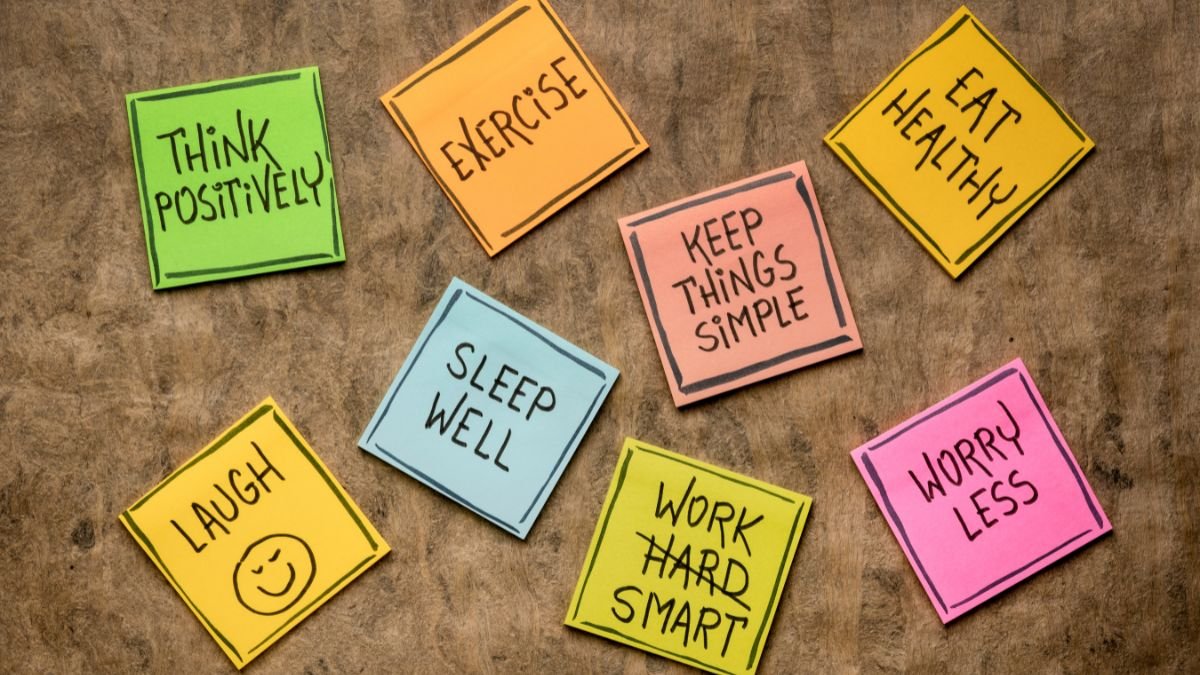
In this guide, I’ll walk through the daily habits that research consistently links to high performance — covering morning routines, work habits, and evening rituals.
We’ve all seen them: the articles promising to reveal the “morning routine of billionaires” or the “five habits all successful people share.” These pieces typically feature celebrity anecdotes about waking at 4am, cold showers, and extensive meditation practices. They’re inspiring, certainly, but are they evidence-based? More importantly, are they actually helpful for the rest of us?
The reality is more nuanced—and more useful—than these clickbait lists suggest. Whilst certain patterns do emerge when we examine successful individuals systematically, the correlation between specific habits and success is rarely straightforward. Individual differences matter enormously, and what works brilliantly for one person might be entirely unsuitable for another.
In this article, I’ll share what research actually tells us about the daily habits of successful people, which patterns appear most consistently, and—crucially—how you can adapt these insights to your own circumstances rather than attempting to clone someone else’s routine.
Evidence-Based Success Habits (Not Celebrity Anecdotes)
Before we dive into specific habits, we need to address a fundamental methodological issue: most popular articles about successful people’s habits are based on anecdotes, not systematic research. When a journalist interviews a successful entrepreneur about their morning routine, we’re getting a sample size of one. We don’t know whether that routine contributed to their success, whether they’d be equally successful with a different routine, or whether they’re even accurately reporting what they actually do (self-report data is notoriously unreliable).
Research on High Performers
The more rigorous research on high performers tends to come from occupational psychology, sports psychology, and longitudinal studies that track individuals over time. These studies look for patterns across large samples whilst controlling for confounding variables. What they consistently find is that successful people tend to have structured daily routines, but the specific content of those routines varies considerably.
A 2019 study in the Journal of Applied Psychology examined the daily routines of high-performing professionals across multiple industries. The researchers found that what mattered wasn’t so much the specific habits themselves, but rather the consistency with which people maintained their chosen routines. The structure itself appeared to be protective, reducing decision fatigue and creating reliable conditions for focused work.
Common Patterns vs Individual Differences
This is where things get interesting. Whilst we can identify certain habits that appear frequently amongst successful individuals—regular exercise, dedicated learning time, strategic planning—the way these habits manifest varies tremendously. Some successful people exercise at 5am; others prefer lunchtime or evening sessions. Some read for an hour each morning; others listen to podcasts during their commute or audiobooks whilst running.
The commonality isn’t the precise habit, but rather the underlying function it serves: maintaining physical health, continuous learning, strategic thinking. This distinction matters because it frees you from trying to adopt habits that don’t suit your chronotype (your natural preference to sleep at certain times), personality, or circumstances.
Correlation vs Causation
Here’s a critical point that popular articles often miss: just because successful people do something doesn’t mean that thing caused their success. Successful people might wake early because they’ve achieved financial security and can design their ideal schedule, not the other way round. They might have personal chefs making their healthy meals, personal trainers ensuring their exercise consistency, and assistants managing their calendars.
This doesn’t mean we can’t learn from their habits—but it does mean we need to think critically about which habits are genuinely causal and which are merely correlational or enabled by success itself.
QUICK WIN:
Before reading further, write down one habit you already do consistently every day — brushing your teeth, making coffee, checking your phone. That existing habit is your anchor point. Any new success habit you adopt will stick better if you attach it to something you already do automatically.
Core Habits of Successful People
With those caveats in mind, certain habits do appear consistently in research on high performers. These aren’t about copying someone else’s exact routine, but understanding the principles that might usefully apply to your own life.
Regular Exercise
This is perhaps the most consistent finding across all research on successful individuals. Regular physical activity appears in study after study as a common habit amongst high achievers. The mechanisms are well understood: exercise is a keystone habit that radiates outwards into other areas of your life. It improves cognitive function, reduces stress, enhances sleep quality, and provides a reliable mood boost.

What’s particularly interesting is that the type of exercise varies enormously. Some successful people run marathons; others do yoga or simply walk. What matters is consistency and regularity rather than intensity or duration. The habit itself—of prioritising physical movement—appears more important than the specific activity chosen.
From an occupational psychology perspective, exercise serves multiple functions. It provides a structured break from cognitive work, offers a sense of achievement independent of professional outcomes, and creates a non-negotiable commitment that helps maintain boundaries around work time. For more on this see our guide on exercising for brain health.
QUICK WIN:
Tomorrow, take a 10-minute walk at some point in your day. Not a workout — just a walk. Notice how it affects your energy and focus for the hour afterwards. That’s the keystone effect in action.
Reading and Continuous Learning
Successful people read. A lot. Warren Buffett famously spends 80% of his day reading, and whilst that’s an extreme example, dedicated time for learning appears consistently in studies of high performers. This might take the form of reading books, industry publications, research papers, or engaging with educational podcasts and courses.
Many of the most effective daily habits centre on consistent learning and skill development. If you want to make that learning as efficient as possible, our guide on how to learn faster covers the evidence-based techniques that separate rapid learners from those who struggle to make new knowledge stick.
The psychology here is straightforward: successful people tend to have a growth mindset and view learning as continuous rather than complete. They’re curious about their field and adjacent areas, and they invest time in staying current. This habit compounds over years—the knowledge gained today becomes the foundation for insights tomorrow.
Practically, most successful people build reading into their daily routine rather than leaving it to chance. This might be first thing in the morning, during commute time, or before bed. The specific timing matters less than the consistency.
Time Blocking and Planning
High performers tend to be intentional about their time. Rather than reacting to whatever arrives in their inbox, they proactively design their days around priorities. This typically involves some form of time blocking—dedicating specific periods to particular types of work.
Research on time management shows that planning your day in advance significantly reduces decision fatigue and increases the likelihood of completing important tasks. Successful people often plan tomorrow evening before finishing today, or first thing in the morning before checking email. They identify their most important tasks and protect time for them.
This doesn’t mean rigid schedules with no flexibility. Rather, it means having a default structure whilst remaining responsive to genuinely important interruptions. The key is making conscious choices about time allocation rather than drifting through the day reactively.
Sleep Prioritisation
Despite the cultural mythology around successful people sleeping less, research shows the opposite. High performers tend to prioritise sleep and maintain consistent sleep schedules. They recognise that cognitive performance, decision-making quality, and emotional regulation all depend on adequate rest.
Studies of executives and entrepreneurs consistently find that those who maintain healthy sleep habits outperform those who sacrifice sleep for extra working hours. The productivity gained from additional waking hours is more than offset by reduced cognitive function and poorer decision-making.
Successful people typically have evening routines designed to support sleep quality: limiting screen time, maintaining consistent bedtimes, creating appropriate sleep environments. They treat sleep as a performance priority rather than an optional luxury.
Relationship Maintenance
This habit is often overlooked in popular articles about success, but it appears consistently in research on sustained high performance. Successful people actively maintain their important relationships—with partners, family, close friends, mentors, and professional networks.
From a psychological perspective, this makes sense. Social connection buffers against stress, provides different perspectives, and creates accountability. Strong relationships also provide meaning and context for achievement—success feels hollow without people to share it with.
Practically, this often means scheduling time for relationships just as one would schedule important meetings. Successful people put family dinners in the calendar, arrange regular catch-ups with friends, and invest time in maintaining their professional network.
QUICK WIN:
Send one message today to someone you haven’t spoken to in a while. Not a long catch-up — just a genuine “thinking of you” or sharing something they’d find interesting. Maintaining relationships doesn’t require grand gestures. It requires small, consistent ones.
Financial Discipline
Whilst this might seem like a result of success rather than a cause, research suggests that financial discipline often precedes financial success. High performers tend to track their spending, live below their means (at least initially), and make deliberate decisions about money.
This habit creates options. When you’re not living paycheque to paycheque, you can take calculated risks, invest in your development, and make career choices based on learning and growth rather than just immediate income. Financial discipline provides the foundation for other success-oriented decisions.
The psychology behind financial habits is fascinating. Morgan Housel argues in The Psychology of Money that financial success has less to do with intelligence and more to do with behaviour — and behaviour is shaped by habits. People who build wealth consistently tend to share a few key patterns: they automate their savings so willpower isn’t required, they avoid lifestyle inflation when their income rises, and they think in decades rather than months.
Tracking spending is often the keystone habit that triggers broader financial improvement. When you see exactly where your money goes each month, you naturally start questioning whether those decisions align with your priorities. You don’t need a strict budget — just awareness. The simple act of recording what you spend makes unconscious habits visible, and visibility creates the opportunity for change.
JL Collins, author of The Simple Path to Wealth, advocates a refreshingly straightforward approach: spend less than you earn, avoid debt, and invest the surplus consistently. The daily habit isn’t complex — it’s the discipline of repeating small, sensible decisions over years that creates financial freedom. This mirrors the marginal gains philosophy perfectly: tiny financial improvements compounding over decades produce results that feel disproportionate to the effort involved.
Practically, the most successful financial habits tend to be the simplest. Setting up automatic transfers to savings accounts on payday, reviewing subscriptions quarterly, and pausing for 24 hours before non-essential purchases over a set threshold. None of these are difficult individually. Their power lies in consistency.
QUICK WIN:
Open your banking app right now and check what you spent in the last 7 days. Don’t judge it — just look. That single act of awareness is the first step toward better financial habits. Most people have no idea where their money actually goes until they check.
Morning Habits of High Achievers
Morning routines receive disproportionate attention in popular media, but they are worth examining—with appropriate caveats about individual differences.
Early Rising (With Caveats About Chronotypes)
Many successful people wake early, but we need to be cautious about causation here. Early rising works well for morning chronotypes—people whose circadian rhythms naturally favour earlier schedules. For evening chronotypes, forcing an early wake time actually impairs cognitive performance.
Research on chronotypes shows that optimal wake times vary by roughly four hours across the population. A genuine morning person might function best waking at 5am, whilst an evening person performs optimally waking at 9am. Trying to force yourself into someone else’s chronotype is counterproductive.
What matters isn’t the absolute wake time, but rather: getting sufficient sleep, waking at a consistent time, and using your peak cognitive hours for important work. For some people, that means early rising. For others, it doesn’t.
Morning Planning and Prioritisation
Regardless of wake time, successful people typically begin their day with some form of planning or prioritisation. This might be reviewing the day’s schedule, identifying the most important task, or simply taking a few minutes to orient themselves mentally.
This habit serves several psychological functions. It reduces anxiety about the day ahead, provides clear direction, and activates goal-oriented thinking. Even five minutes of morning planning can significantly improve daily productivity.
Some people do this planning the night before; others prefer to do it fresh in the morning. Both approaches work—what matters is having clarity about priorities before diving into reactive tasks like email.

Physical Activity
Many successful people incorporate exercise into their morning routine, though again, this reflects personal preference and chronotype rather than a universal prescription. Morning exercise can be energising, provides a sense of accomplishment before the workday begins, and ensures the habit gets completed before other demands intrude.
However, if you’re not a morning person, forcing yourself to exercise at 6am might just make you miserable and inconsistent. The best time to exercise is whatever time you’ll actually do it consistently. For some people, that’s morning. For others, it’s lunchtime or evening.
QUICK WIN:
Tonight before bed, write down the single most important thing you need to accomplish tomorrow. Just one thing. Put it where you’ll see it first thing in the morning. When you wake, you’ll already know exactly where to start.
Work Habits That Drive Success
During the working day, certain patterns emerge consistently amongst high performers.
Deep Work Blocks
Successful people protect time for focused, uninterrupted work on their most important tasks. Cal Newport’s research on “deep work” shows that the ability to focus without distraction is increasingly rare and increasingly valuable. High performers typically schedule blocks of 90-120 minutes for cognitively demanding work, ideally during their peak energy hours.
This requires saying no to meetings during these blocks, turning off notifications, and creating environmental conditions that support concentration. It’s not about working more hours, but about making existing hours more productive through focused attention.
Regular Breaks
Counterintuitively, successful people take breaks. Research on cognitive performance shows that sustained focus requires periodic recovery. High performers often use techniques like the Pomodoro method or the 50/10 focus method (working in focused sprints with short breaks) or simply ensure they step away from their desk regularly.
These breaks aren’t wasted time—they’re essential for maintaining cognitive performance throughout the day. They prevent mental fatigue and often provide the mental space for creative insights.
Email Batching
Rather than checking email constantly throughout the day, successful people typically batch email processing into specific time slots. This might be twice daily (mid-morning and mid-afternoon) or three times (morning, midday, late afternoon).
Constant email checking creates cognitive switching costs and maintains a reactive rather than proactive state. Batching email allows for both responsiveness and protected focus time. Most emails don’t require immediate responses, and batching email improves both productivity and mental wellbeing.
Meeting Discipline
High performers are ruthless about meetings. They decline meetings without clear agendas, end meetings when objectives are achieved (even if time remains), and often have “no meeting” days to protect focus time.
This habit reflects respect for time as a finite resource. Successful people recognise that every meeting has an opportunity cost—time spent in a meeting is time not spent on focused work, strategic thinking, or recovery. Learning how to decline meetings politely can really help here.
Evening Habits for Success
How successful people end their day is just as important as how they begin it.
Reflection and Review
Many high performers spend a few minutes each evening reviewing their day. This might involve journaling, updating a task list, or simply mentally noting what went well and what could improve. This reflection serves several purposes: it provides closure on the day, extracts learning from experiences, and helps identify patterns over time.
From a psychological perspective, this habit supports continuous improvement. Rather than repeating the same patterns indefinitely, regular reflection creates opportunities for adjustment and growth.
Next-Day Preparation
Successful people often prepare for tomorrow before finishing today. This might mean reviewing tomorrow’s calendar, laying out clothes or exercise gear, preparing lunch, or simply identifying the next day’s most important task.
This habit reduces morning decision-making and makes it easier to start the day productively. When you wake knowing exactly what you need to do first, you’re far less likely to drift into reactive activities like checking social media.
Digital Sunset
Many high performers implement some version of a “digital sunset”—a time after which they avoid screens or at least limit their use. This might mean no work email after 7pm, no social media after dinner, or switching devices to night mode in the evening.
The research on screen time and sleep quality is clear: blue light exposure in the evening disrupts circadian rhythms and impairs sleep quality. Successful people protect their sleep by managing evening screen exposure.
Wind-Down Routines
Consistent bedtime routines aren’t just for children. High performers typically have evening rituals that signal to their body and mind that it’s time to transition toward sleep. This might include reading, light stretching, meditation, or conversation with a partner.
These routines serve a psychological function: they create a buffer between the demands of the day and sleep, allowing the nervous system to downregulate. People with consistent wind-down routines typically report better sleep quality and feel more rested upon waking.
QUICK WIN:
Set a phone alarm for 9pm tonight labelled “screens off.” When it goes off, put your phone face-down and pick up a book or have a conversation instead. Do this for three evenings and notice how your sleep changes.
What Successful People Don’t Do
Sometimes what you don’t do matters as much as what you do.
Avoiding Busywork
Successful people are remarkably good at distinguishing between being busy and being productive. They avoid tasks that create the illusion of progress without actually moving them toward their goals. This means saying no to unnecessary meetings, delegating or eliminating low-value tasks, and resisting the urge to fill every moment with activity.
This requires clarity about priorities and comfort with the discomfort of not doing certain things. Many people stay busy to avoid the harder work of strategic thinking or tackling genuinely challenging tasks. High performers resist this tendency.
Saying No Strategically
Warren Buffett has said that the difference between successful people and very successful people is that very successful people say no to almost everything. This isn’t about being difficult or unhelpful—it’s about recognising that every yes is a no to something else.
Successful people are protective of their time and energy. They say no to opportunities that don’t align with their goals, requests that others could handle equally well, and commitments that would overextend them. This selectivity allows them to say yes wholeheartedly to what truly matters. See our guide to how to say no without burning bridges.
Limiting Social Media
Whilst successful people use social media strategically for professional networking or marketing, they’re typically very mindful about consumption. They don’t scroll aimlessly through feeds or check apps compulsively throughout the day.
The research is clear: excessive social media use is associated with reduced wellbeing, increased anxiety, and impaired focus. High performers treat social media as a tool to be used intentionally rather than a default activity during downtime.

How to Adapt Success Habits for Your Life
Here’s where we move from description to prescription. The goal isn’t to copy someone else’s routine wholesale, but to adapt these principles to your unique circumstances.
Your Personality and Strengths
Start by understanding yourself. Are you an introvert or extrovert? Morning person or evening person? Do you prefer structure or flexibility? Variety or routine? Your ideal set of success habits should align with your natural tendencies rather than fighting against them.
An extroverted morning person might thrive with early gym classes and morning networking coffees. An introverted evening person might do better with solitary evening exercise and morning deep work blocks. Both can be highly successful—the key is self-awareness.
Your Constraints and Circumstances
Your life circumstances matter enormously. If you have young children, your morning routine will look different than someone living alone. If you work shifts, you can’t maintain a consistent wake time. If you have health conditions, your exercise options might be limited.
Rather than seeing constraints as barriers, view them as design parameters. What’s the best routine you can build given your actual circumstances? This might mean exercising at home during nap time, doing learning through podcasts during your commute, or protecting focus time in early mornings before family wakes. Our interactive tool, build your first keystone habit, can help you to think through some of these considerations.
Your Goals and Values
Success isn’t one-dimensional. Your definition of success might prioritise core values such as family relationships, creative output, financial security, health, or community contribution—and your habits should reflect these priorities.
Someone prioritising family might structure their day to maximise present time with children. Someone prioritising creative work might protect morning hours for writing. Someone building a business might have more varied routines that respond to changing demands. All can be successful on their own terms.
Start With One Keystone Habit
The temptation when reading about successful people’s habits is to try implementing everything at once. This rarely works. Instead, consider starting with one keystone habit—a habit that tends to catalyse positive changes in other areas.
Exercise is often a good keystone habit. When people start exercising regularly, they tend to sleep better, eat more healthily, and have more energy for focused work. Morning planning might be another keystone—when you start each day with clear priorities, you’re less likely to drift into reactive busyness.
Choose one habit that aligns with your goals and circumstances, build it solidly using evidence-based habit formation strategies, and then consider adding others once the first is truly automatic.
QUICK WIN:
Pick one habit from this article — just one — that you could start tomorrow with minimal effort. Write it down now, along with exactly when and where you’ll do it. “I will [habit] at [time] in [place].” That specific intention makes you two to three times more likely to follow through.
The Evidence-Based Approach to Success Habits
If there’s one over-arching lesson from examining successful people’s habits, it’s this: what matters most isn’t the specific habits themselves, but rather the systematic, intentional approach to building and maintaining habits that support your goals.
Successful people don’t just stumble into good habits. They deliberately design their routines, experiment to find what works for them, and then maintain those routines consistently. They track what they’re doing, reflect on what’s working, and adjust when something isn’t serving them well.
This evidence-based approach—treating your habits as experiments, gathering data, and making informed adjustments—is perhaps more important than any single habit you might adopt. It creates a foundation for continuous improvement rather than a static routine that worked once but may not remain optimal as your life changes.
To get started, choose one or two habits from this article that resonate with your circumstances and goals. Implement them using proven strategies like habit stacking to increase your consistency. Track your progress to maintain awareness and motivation and design your environment to support your new habits. Most importantly, be patient—remember that habit formation takes time, often longer than popular mythology suggests.
The daily habits of successful people aren’t magic formulas. They’re practical, evidence-based practices that support sustained high performance. By understanding the principles behind these habits and adapting them thoughtfully to your own life, you can build your own pattern of success—one that actually fits your reality rather than someone else’s Instagram-worthy morning routine.
RESOURCES:
I only recommend resources that I either use personally or have researched and feel are genuinely helpful for my readers. Resources sometimes contain affiliate links; if you purchase through these, I may earn a small commission at no extra cost to you.
Essential Reading on Habits and Success:
Atomic Habits by James Clear — The definitive modern guide to building better habits through small, consistent changes. Paperback | Kindle | Audible
Deep Work by Cal Newport — Essential reading on focused, distraction-free work and why it matters more than ever. Paperback | Kindle | Audible
Tiny Habits by BJ Fogg — A practical, research-based system for starting small and building from there. Paperback | Kindle | Audible
Financial Habits and Psychology:
The Psychology of Money by Morgan Housel — A brilliant exploration of how behaviour, not intelligence, drives financial outcomes. Paperback | Kindle | Audible
The Simple Path to Wealth by JL Collins — Straightforward, no-nonsense guide to financial independence through consistent, simple habits. Hardcover | Kindle | Audible
Related Articles from Marginal Gains:
Keystone Habits: Definition, Origin and Examples
Habit Formation: The Complete Evidence-Based Guide
Morning Routine Examples That Actually Work
How to Focus Better at Work
Environment Design for Better Habits
I'm Simon Shaw, a Chartered Occupational Psychologist with over 20 years of experience in workplace psychology, learning and development, coaching, and teaching. I write about applying psychological research to everyday challenges - from habits and productivity to memory and mental performance. The articles on this blog draw from established research in psychology and behavioural science, taking a marginal gains approach to help you make small, evidence-based changes that compound over time, allowing you to make meaningful progress in the areas you care about most.