-

How Does Sleep Affect Memory? The Science Explained
How does sleep affect memory? It’s one of the most important questions in cognitive neuroscience — and the answer goes far beyond simply “getting enough rest”. Have you ever studied something late into the evening, slept on it, and found it clearer the next morning? Or conversely, pulled an all-nighter before an exam and struggled…
-

How to Remember What You Study (Without Cramming)
If you want to know how to remember what you study — not just for tomorrow’s test, but for months afterwards — the answer lies in a single principle: connection. You spend three hours studying for an exam. You quiz yourself and everything seems to stick. The next morning, you sit down to write and…
-

Why Do We Forget? The Science of Everyday Forgetting
You spend Sunday afternoon studying for Monday’s exam. You test yourself before bed and know the material perfectly. Monday morning, you sit down to write and half of it has vanished. Or perhaps you meet someone at a networking event, have a great conversation, and ten minutes later you’ve completely forgotten their name. You read…
-

How to Say No at Work Without Burning Bridges
Knowing how to say no at work is one of the most valuable professional skills you can develop — yet most people never deliberately work on it. How many times this week have you agreed to something you immediately regretted? That extra committee assignment your manager mentioned “wouldn’t take much time.” Covering for a colleague…
-

How to Use Spaced Repetition to Remember What You Learn
You spent three hours studying on Sunday. By Monday morning, half of it was gone. By Wednesday, most of the rest had quietly packed its bags and left. By the following week, you could remember that you’d studied something, but not what. The problem isn’t your memory—it’s your timing. Spaced repetition is a learning technique…
-
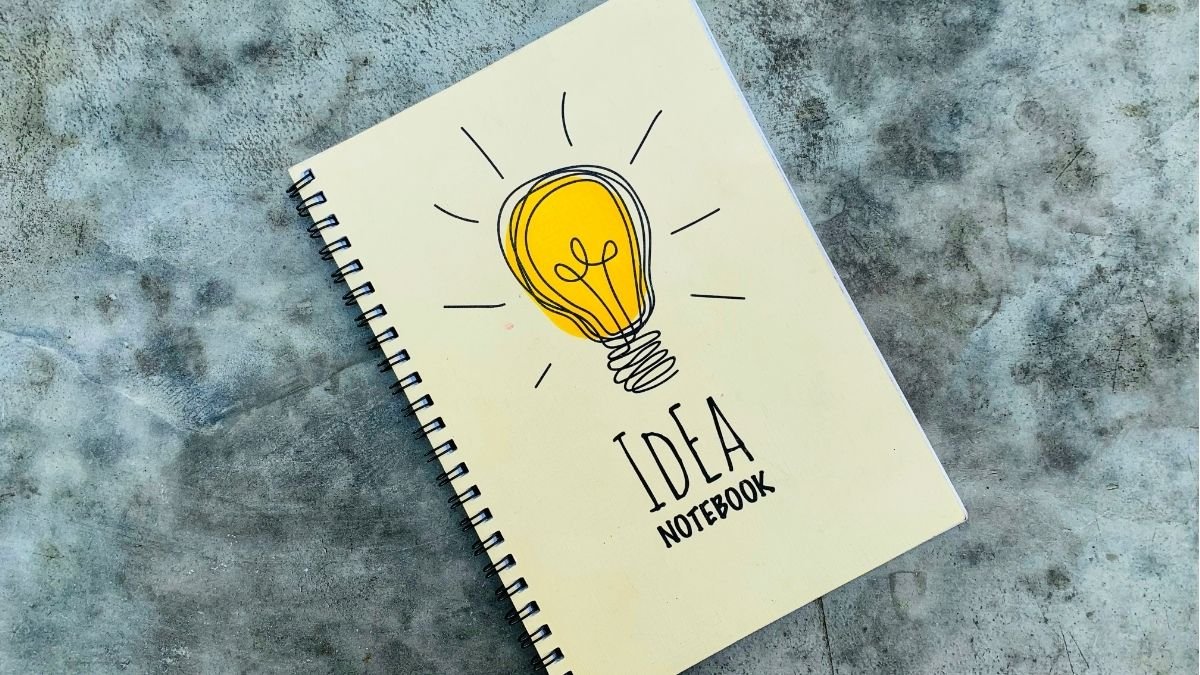
How to Capture Ideas in 2026 — Even in the Shower
Most productivity advice explaining how to capture ideas is rubbish. There, I’ve said it. You’ve probably encountered the standard recommendations: use Notion, download Evernote, try this colour-coded bullet journal system, organise everything with seventeen different tags. The problem isn’t that these tools don’t work—it’s that they’re solving the wrong problem entirely. The actual challenge with…
-

How to Build a Memory Palace: The Complete Step-by-Step Guide
You walk into your childhood bedroom and immediately see a giant elephant wearing a top hat, juggling three flaming torches. At your desk, Albert Einstein is solving equations whilst eating a slice of pizza. In the corner, a medieval knight is having a sword fight with a rubber duck. This isn’t a fever dream. It’s…
-
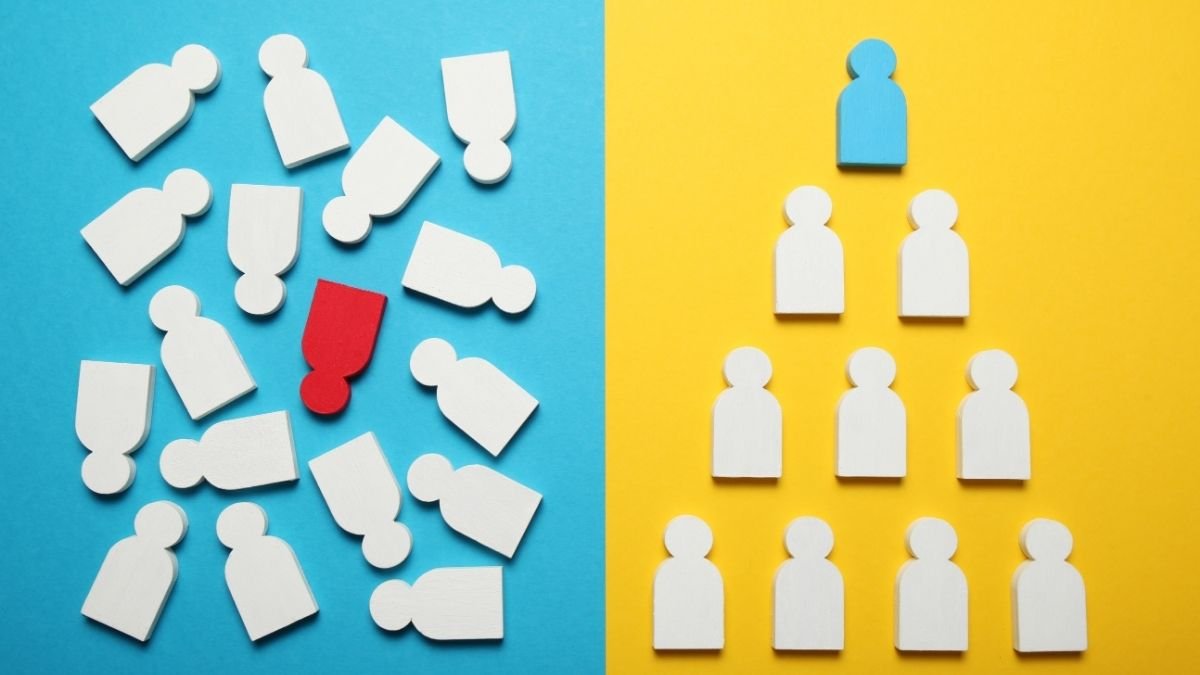
The Chunking Method: Remember More by Grouping Information
Look at this sequence for thirty seconds: 14921789194519891969. Now look away and try to recall it. Difficult, isn’t it? Now try this version: 1492-1789-1945-1989-1969. Same digits, completely different experience. Those random numbers suddenly become Columbus’s voyage, the French Revolution, the end of World War II, the fall of the Berlin Wall, and the moon landing.…
-

Active Recall vs Passive Reading: What Works Better?
You’ve spent two hours reading through your notes. The material feels familiar. You recognise the concepts when you see them. Surely you’ve learned it? Then the exam arrives, or you need to apply the knowledge, and suddenly you can’t retrieve what felt so familiar just yesterday. The information was in your head—you know it was—but…
-
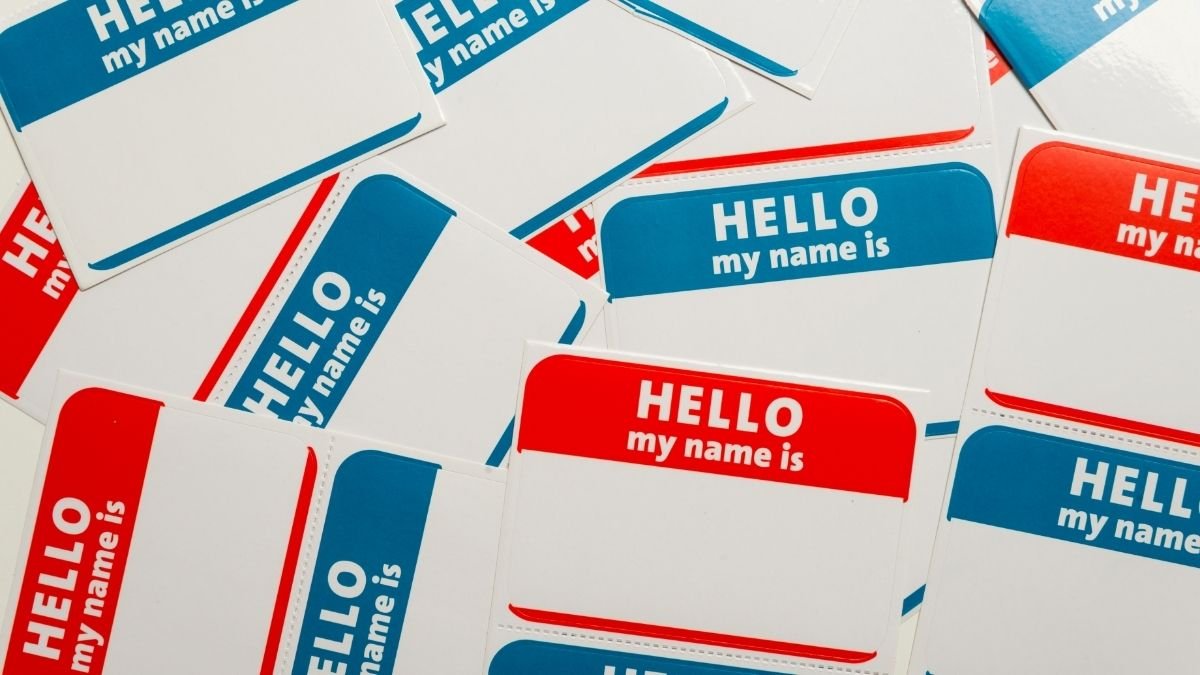
How to Remember Names and Faces: Proven Techniques
Learning how to remember names and faces is one of the most practically valuable memory skills you can develop — yet most people never deliberately work on it. Few social moments feel more awkward than blanking on someone’s name seconds after they’ve introduced themselves. You’re shaking hands, maintaining eye contact, appearing engaged — and simultaneously…
-

How to Learn Faster and Make It Stick
If you want to learn faster and retain information more reliably, the answer almost certainly isn’t to study harder or longer. Many people spend hours reading and re-reading material that simply won’t stick, or struggle through learning that takes far longer than necessary. The frustration is real: presentations you can’t recall without notes, skills that…
-
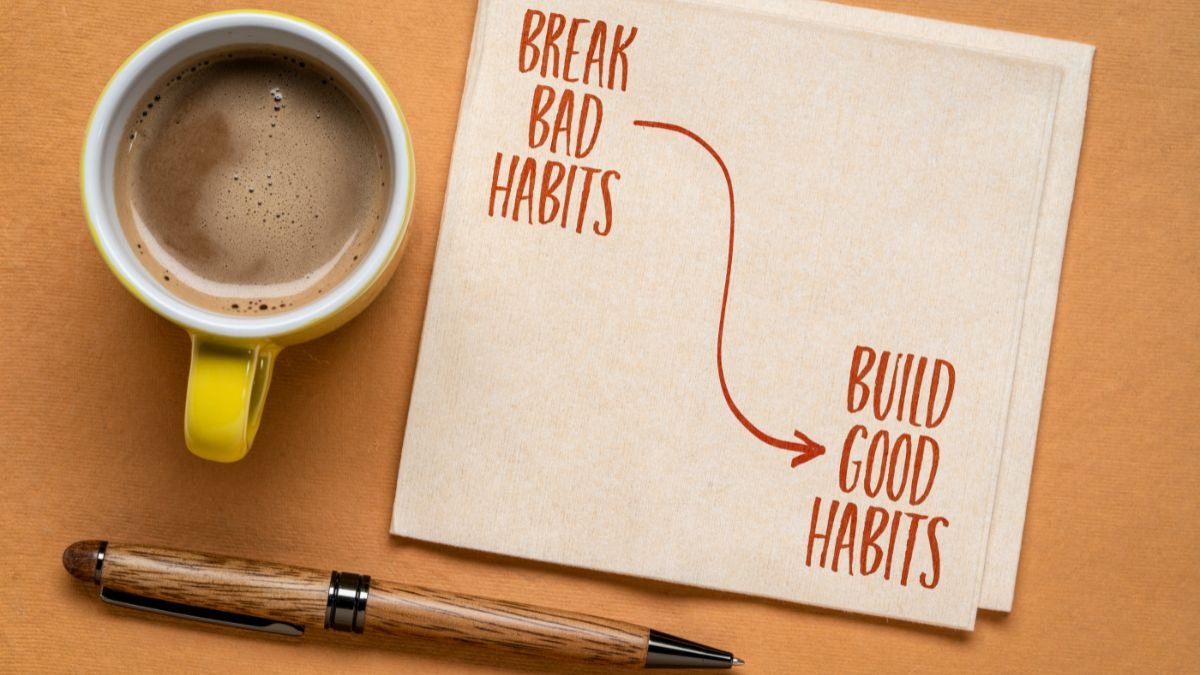
Habit Formation: How to Make Small Changes That Actually Stick
Most of us have a graveyard of abandoned habits somewhere in our past. The gym membership that lasted three weeks. The meditation app with seventeen sessions before it became digital furniture. The journal that got as far as January 12th. If that sounds familiar, the good news is that it almost certainly wasn’t a willpower…